Which excavator do you need?
| Size | Best for |
|---|---|
| 20 ton wheel excavator | Jobs that move around: roads, long service trenches and work spread over a big area. It drives on its own wheels between work areas, which is easier on paving and tar than tracks. |
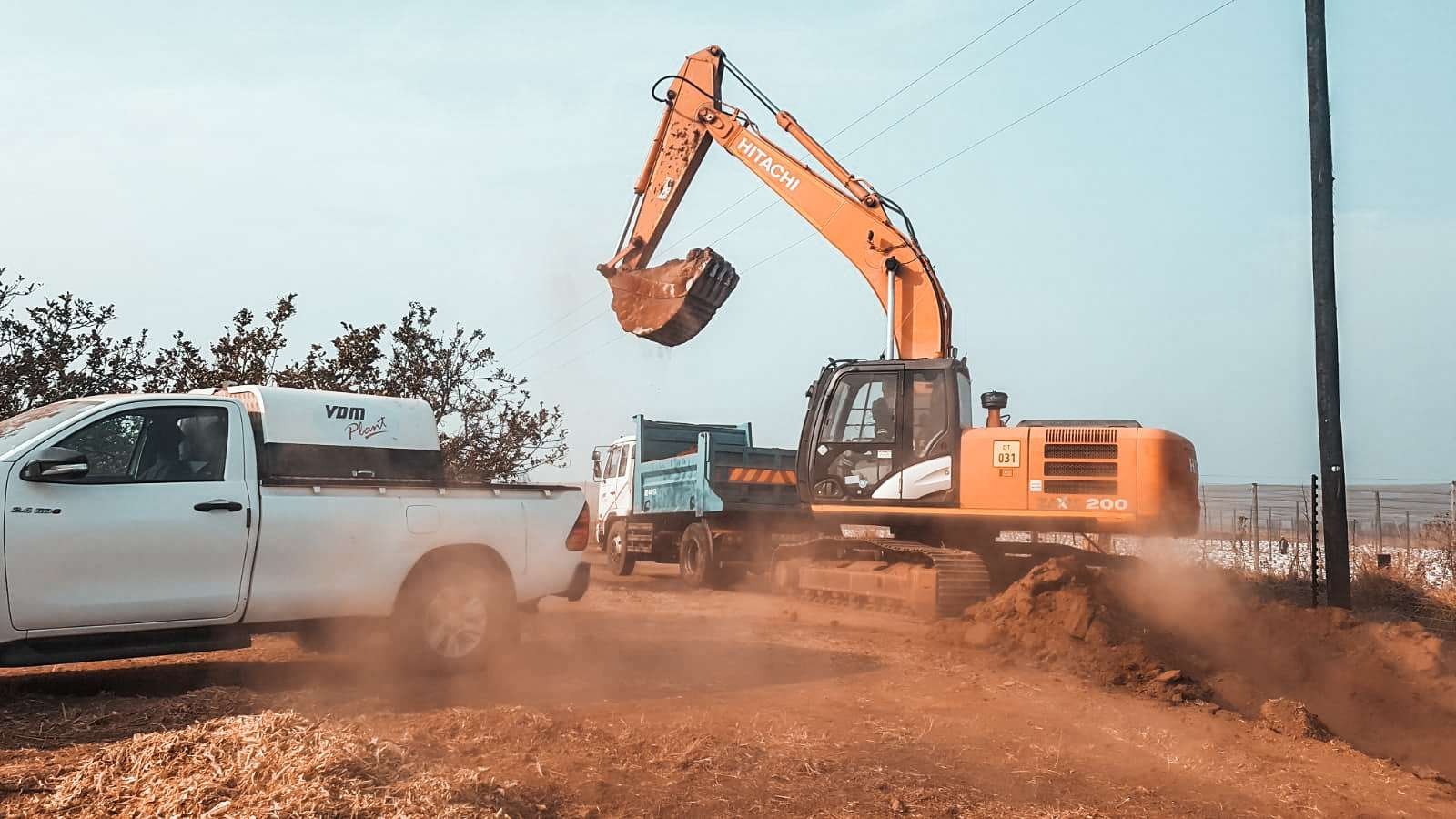
| 20 ton | The all-rounder. Foundations, trenches, dams, site clearing and loading trucks on most residential and commercial sites. |
| 30 ton | Heavy bulk earthworks, deep excavations, hard ground and moving large volumes quickly. |
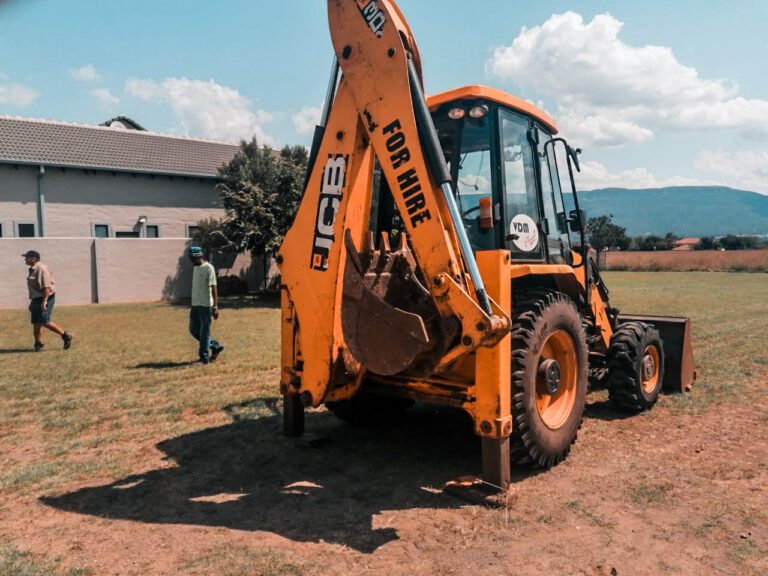
Not sure which one? Send us a photo of the site and tell us what needs to be dug. We’ll recommend a size. On a small residential stand, a TLB is often the better choice.
Wet hire or dry hire?
Wet hire means the excavator comes with one of our experienced operators. It’s the easiest option if you don’t have your own operator, or if the job needs someone who knows the machine well.
Dry hire means you hire the machine only and use your own competent, qualified operator. We’ll ask for your operator’s details before we hand the machine over.
What we need to quote you
- Where the site is (the suburb or town is enough to start)
- What needs to be dug, and roughly how much
- Ground conditions if you know them: soft soil, clay or rock
- Start date and how long you need the machine
- Wet or dry hire
- Anything that affects access: gate width, slopes, overhead power lines
Getting it to site
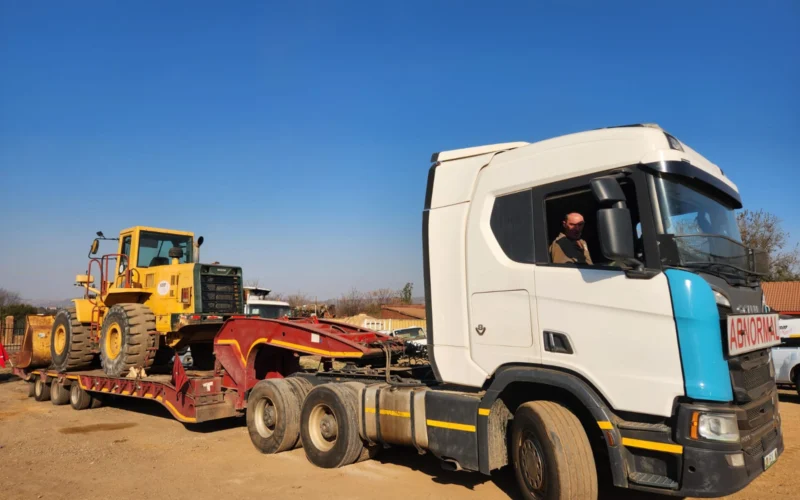
We arrange delivery and include it in your quote. Make sure there’s space near the site for the truck to offload, and let us know about any access rules if you’re in an estate or complex.
Often hired with
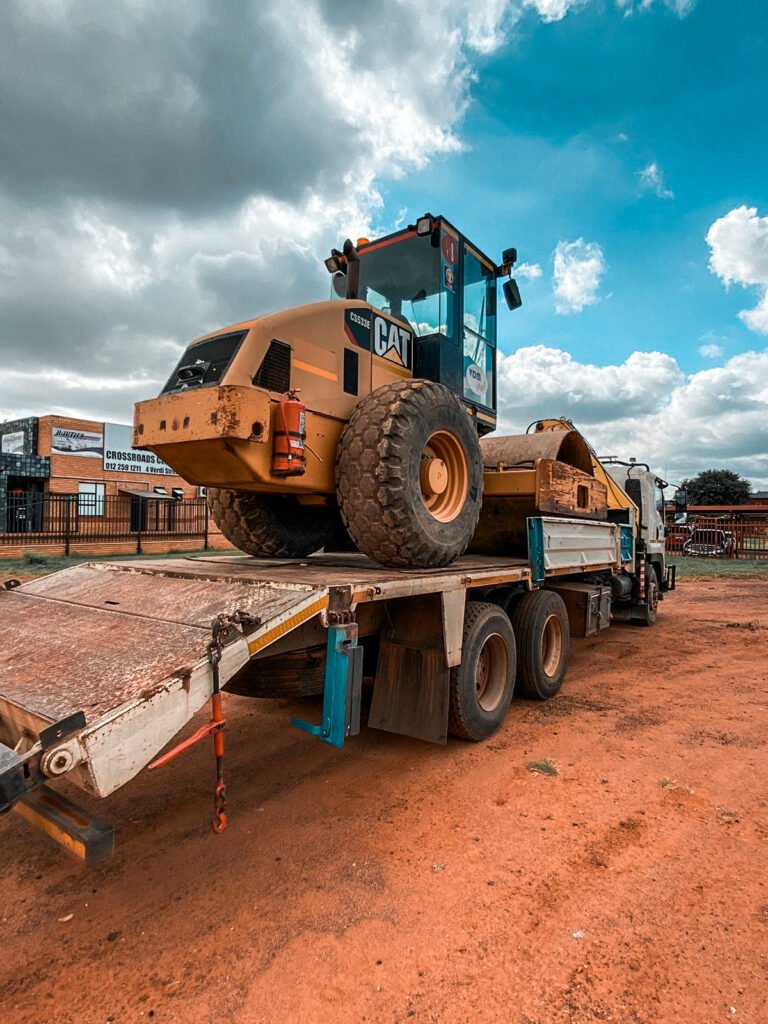
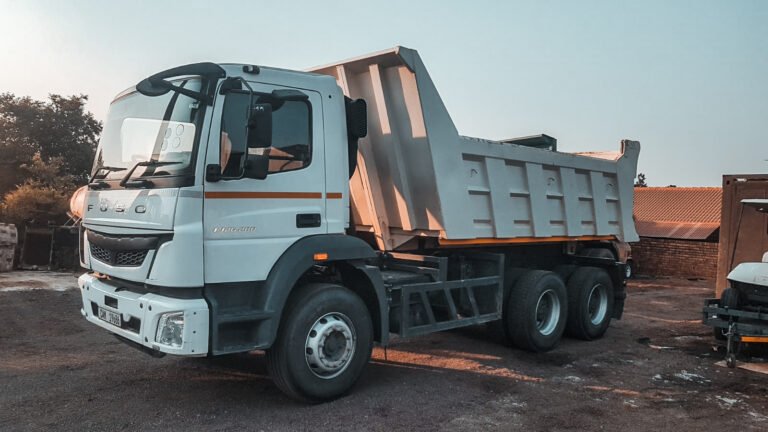
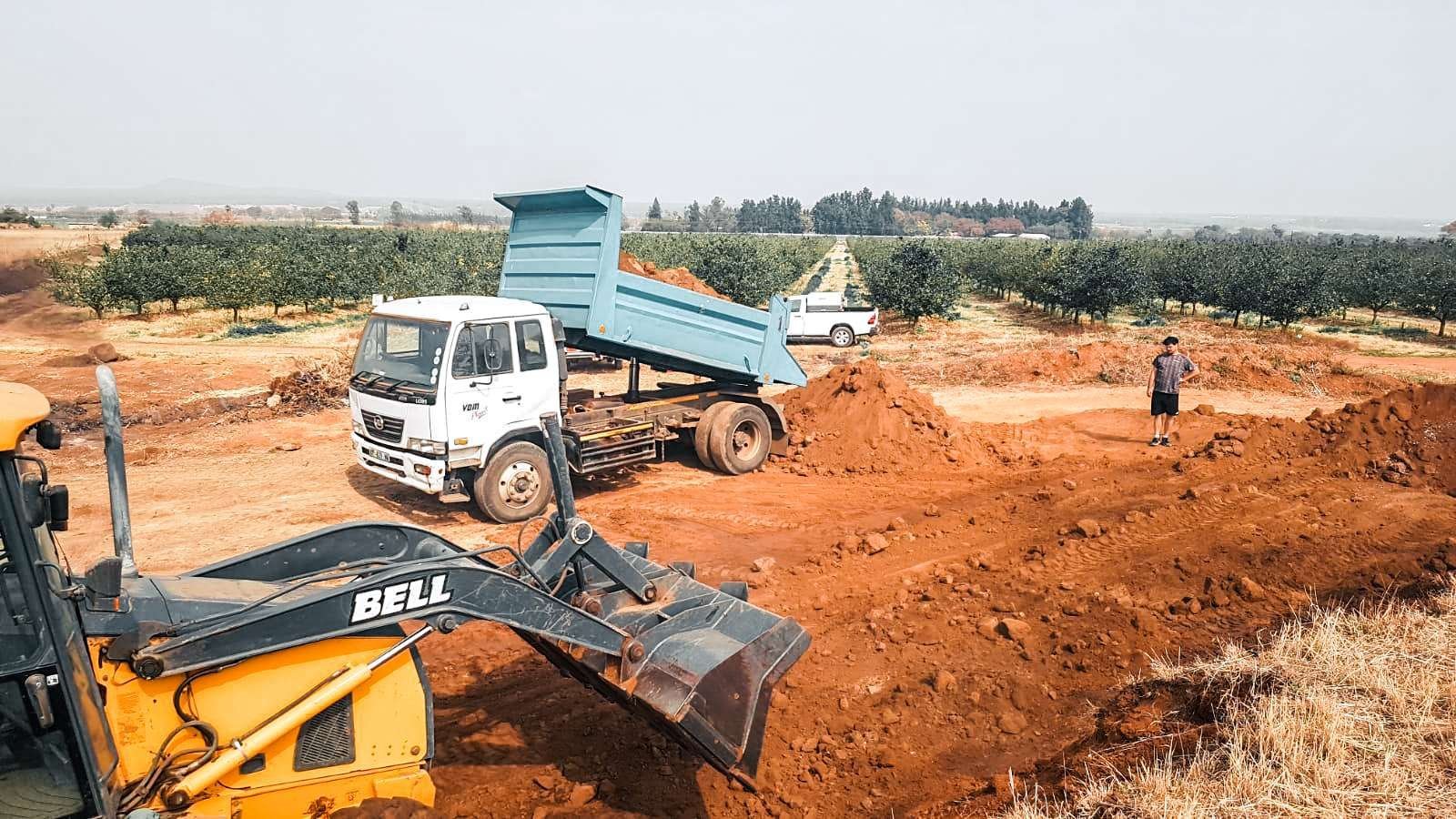
Book tipper trucks to cart the soil away, and a roller to compact the backfill. Booking together means one quote and one delivery plan.